A box of after-dinner mints, a sleeve of peppermint thins and a bag of soft mint creams all promise the same two flavours. Eat them one after another, though, and you would never mistake one for the other. One cracks and floods; one snaps and melts almost before it lands; one sits there, sweet and soft, demanding a bit of patience. The difference is not really the mint or the chocolate. It is the format — how much fondant is inside, how thick the shell is, and how much cocoa is doing the work.
Once you can read those three things off a box, choosing the right mint chocolate for a given moment becomes straightforward.
Three Formats, Three Different Jobs
Almost every mint chocolate on a British sweet-shop shelf falls into one of three families. They use the same ingredients in wildly different proportions.
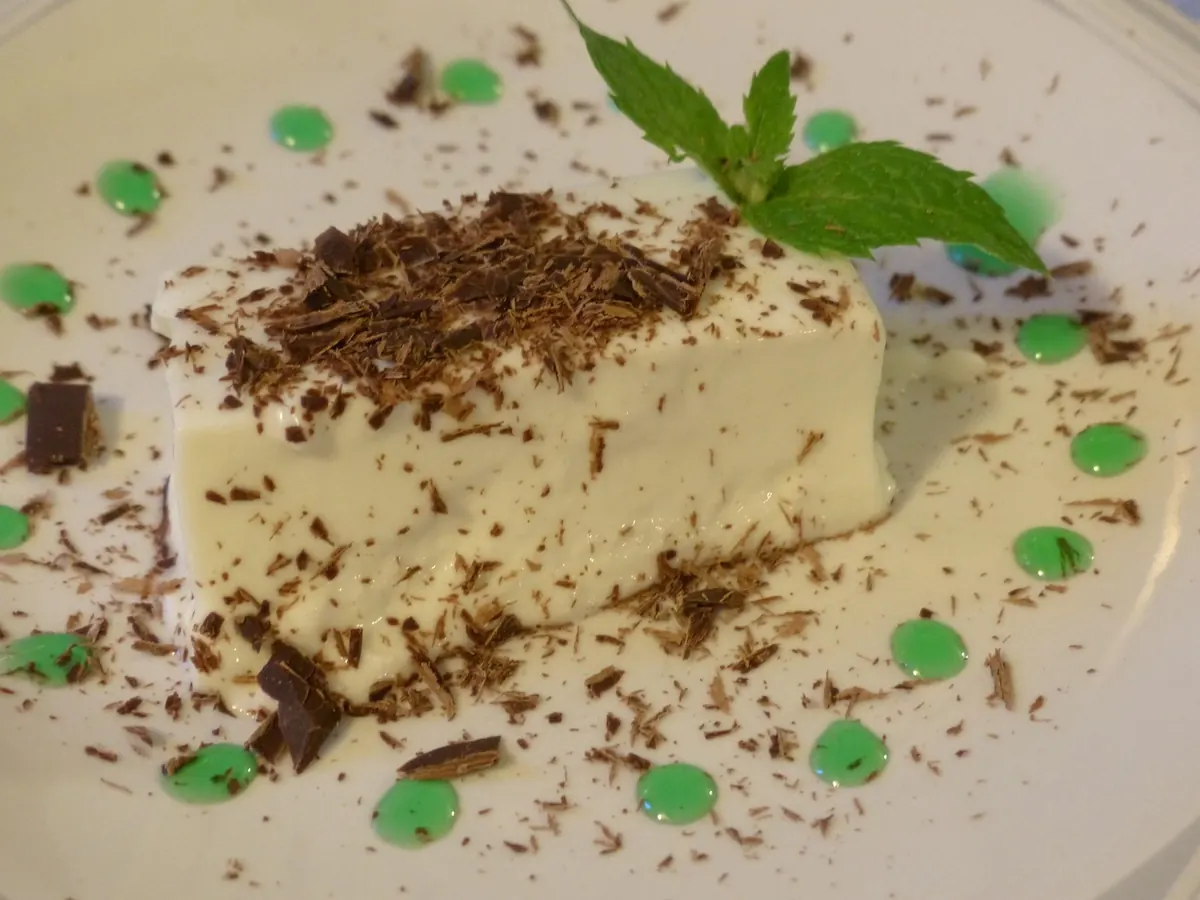
- After-dinner mints: thin squares of dark chocolate wrapped around a soft peppermint fondant, designed to be eaten with coffee at the end of a meal.
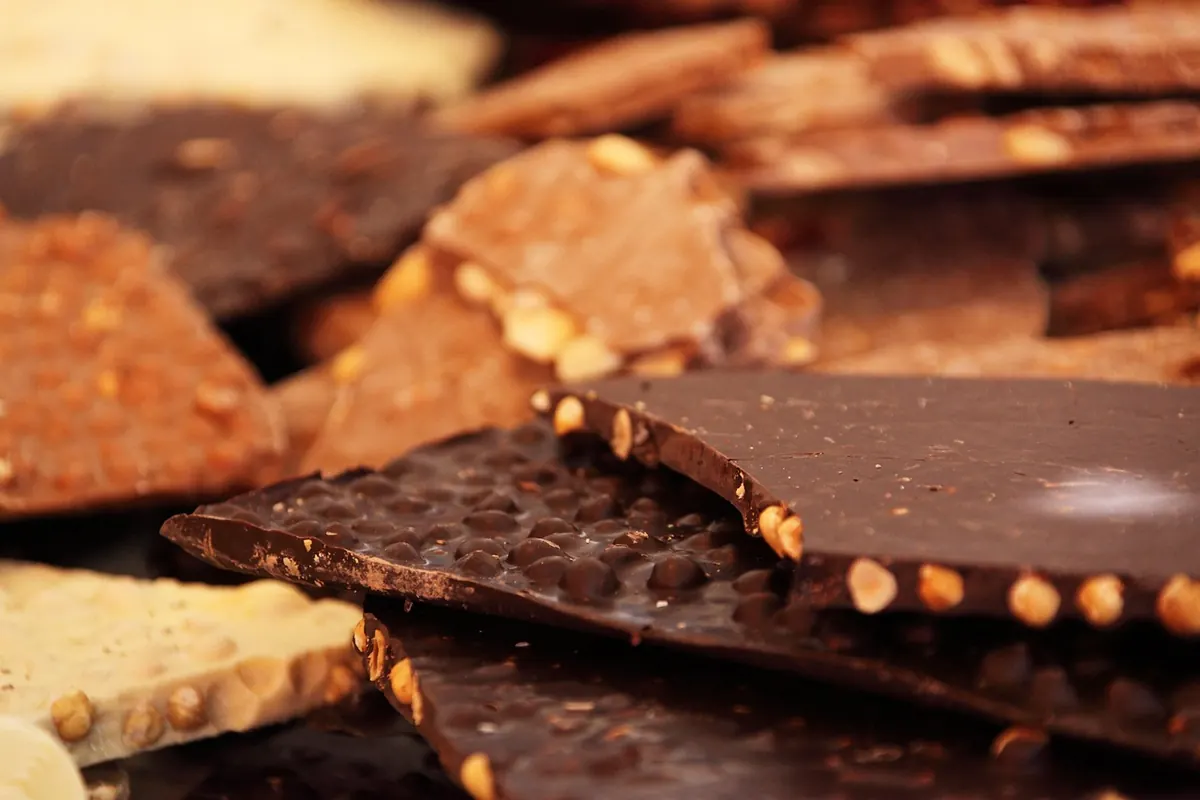
- Chocolate thins: wafer-thin discs or squares, usually solid chocolate with no filling, flavoured with peppermint oil or studded with mint pieces. Higher cocoa, quicker melt.
- Fondants: thicker mint creams with a generous, sugary centre and a sturdier shell. Sweeter, slower, more of a treat in themselves than a palate cleanser.
Texture is where the differences show up first. Cocoa ratio decides whether the mint tastes sharp or creamy, and the size of the thing decides how many you will actually eat.
After-Dinner Mints: Thin Shell, Soft Centre
The classic after-dinner mint is an exercise in restraint. The chocolate is thin enough to crack between finger and thumb, and the fondant inside is cool, soft and only lightly chewy. You get a snap and a melt in the same mouthful, which is why one is usually enough — and why two are not uncommon.
The shell is normally a middling dark chocolate rather than a punishingly bitter one. Check the label: a decent cocoa content gives a clean, slightly bitter edge that keeps the sweet fondant in check. Milk chocolate versions exist and are gentler, but the sugar-on-sugar effect can tip them towards cloying after a big meal.
This is the format built for coffee, and for the twenty minutes after dinner when nobody wants a full pudding. Keep them cool but not cold, and put a few on a small dish rather than passing the whole box around. Mint and tannic red wines tend to fight; coffee, black tea or plain water are easier companions.
Chocolate Thins: Where Cocoa Ratio Shows
Thins are the purist's option. There is no fondant, so everything you taste comes from the chocolate and the mint. That means the cocoa percentage matters enormously.
A thin at 70% cocoa tastes bracing and almost savoury — the mint reads like a cool breath behind the bitterness. Drop to a milk chocolate thin and you get something much closer to mint ice cream: soft, sweet and very easy to eat by the handful. Neither is better. They simply suit different appetites.
Thins also do things other mint chocolates cannot. Snap one over vanilla ice cream, chop a few into brownies, or tuck a square under a spoonful of whipped cream. Because they are thin, they melt fast and distribute evenly through a mixture instead of leaving lumps.
Oil, pieces or both?
Look at how the mint gets in. Peppermint oil gives a clean, sharp hit that fades quickly. Spearmint is softer and sweeter, closer to chewing gum. Crushed mint pieces or candy cane add crunch and a slightly uneven flavour — a nice thing in a thin, less so in a fondant, where the texture is the point.
Fondants: Sweeter, Slower, More Forgiving
Fondant is cooked sugar, which is why a mint cream tastes sweeter than its chocolate shell suggests it should. Good ones are soft, slightly grainy at the edges and melt down to nothing; cheaper ones stay stiff and coat the teeth.
These are the chunkiest of the three, often two or three times the thickness of an after-dinner mint, and they are usually sold loose or in assorted boxes rather than in neat rows. Coated fondants come in dark, milk and white chocolate; uncoated ones are simply sugar-dusted mint creams, and they are excellent with a strong cup of tea.
Choose fondants when the sweet is the event rather than the full stop. Mid-afternoon, with tea, at Christmas, in a gift box. They are the wrong choice after a heavy dinner, when their sweetness starts to feel like one course too many.
Reading the Label Before You Buy
Three things on the back of the pack tell you most of what you need to know.
- Cocoa solids. Higher means less sugar, more bitterness and a sharper mint. Lower means creamier and sweeter. Neither is a quality marker on its own, but it predicts the taste.
- Cocoa butter versus other fats. Cocoa butter melts at body temperature, which is what gives chocolate its clean snap and quick finish. If vegetable fats appear alongside it, expect a waxier mouthfeel.
- The mint itself. Peppermint oil, spearmint or plain "flavouring" — the first is the cleanest, and the last tells you very little.
Matching the Mint to the Moment
- After a dinner party: after-dinner mints, with coffee.
- Heavy meal, light finish wanted: a dark chocolate thin, one or two squares.
- Mid-afternoon with tea: a fondant or two.
- Baking and desserts: thins, chopped or snapped.
- Gifting: boxed fondants for a proper present, thins for a hamper or a colleague's desk.
Storing and Serving Them Properly
Mint chocolate is delicate in two directions: it absorbs smells, and it gives them off. Keep it in a cool, dry cupboard away from the oven, the radiator and anything strongly scented, and keep it in an airtight tin or the original box. The fridge is tempting in summer
Photo: Hans / Pixabay